What Made Las Vegas Explode in Popularity After World War II?
The postwar era marked a pivotal moment in the development of Las Vegas, transforming it from a dusty desert stopover into the vibrant entertainment capital we recognize today. The postwar Las Vegas boom carved a new identity for the city, centered around a rapidly expanding Strip, dazzling neon signs, and a clever approach to all-in-one resort entertainment. In this article, we explore why 1950s Vegas tourism took off, how resort expansion reshaped the Strip, and why this era remains critical in understanding the city's lasting appeal.
The Postwar Resort Boom on the Strip
As World War II ended in 1945, millions of Americans sought new leisure destinations. Las Vegas, situated along the historic Route 91 highway and bolstered by earlier railroad connections, poised itself perfectly for growth. But it was the postwar economic upswing and rising car culture that truly ignited the city's potential.
Resorts like the El Rancho Vegas (1941) had set early examples, but the 1950s brought an unprecedented wave of Strip resort expansion. Major new casinos and hotel complexes appeared almost year after year. The Sands (opened 1952), Sahara (1952), Desert Inn (1950), and Tropicana (1957) did more than just offer gambling—they delivered entire best midcentury Vegas resorts entertainment ecosystems. This trend encouraged visitors to stay longer, spend more, and experience a dazzling variety of leisure options within walking distance.
A common misunderstanding when reviewing period advertisements and memorabilia from the 1950s is the absence of ticket prices, room rates, or exact show schedules. According to research from the Smithsonian, this was intentional. Resorts preferred to encourage potential visitors to inquire directly or come in person, banking on the allure of mystery and surprise amid the bustling cityscape. This approach also avoided restricting perceived luxury with fixed prices, which could be seen as too commonplace.
Neon Signage and Attention-Grabbing Architecture
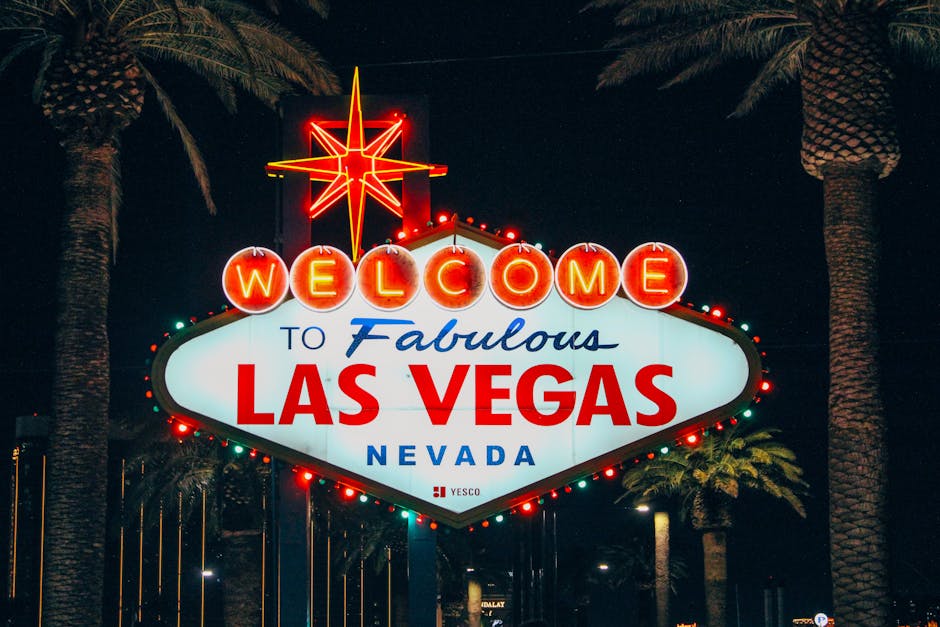
Few things scream 1950s Vegas like the neon signs that peppered the Strip. This was the decade when neon transitioned from mere advertisement to art and spectacle. The cities of Las Vegas and nearby Henderson became neon capitals, boasting signs so iconic they still spark nostalgia today.
Architectural innovation went hand-in-hand with neon lighting. Casinos demanded attention in a competitive marketplace. The result was eye-popping designs:
- The Desert Inn’s sleek modernist curves
- The Sands Hotel’s Starburst sign, a landmark of Vegas visual culture
- The heated pools and expansive marquees of the Sahara
These features were not only marketing tools but invitations to step into a world of fantasy. The streets were illuminated like amusement park avenues, where every corner promised thrills beyond the card tables.
Resorts as All-In-One Entertainment Ecosystems
Las Vegas in the early postwar years embodied a new form of resort planning. Operators realized that visitors wanted more than just gambling; they sought a multi-dimensional experience.
The concept of the all-in-one entertainment ecosystem took hold, where a single property housed restaurants, nightclubs, theaters, cocktail lounges, swimming pools, and luxury rooms. Guests could arrive and find everything they needed without leaving the property. This model made the Strip a playground tailored for convenience and indulgence.
The MrQ Casino, while a modern virtual platform, draws inspiration from this hallmark of Vegas hospitality: a centralized hub where gaming and entertainment merge seamlessly.
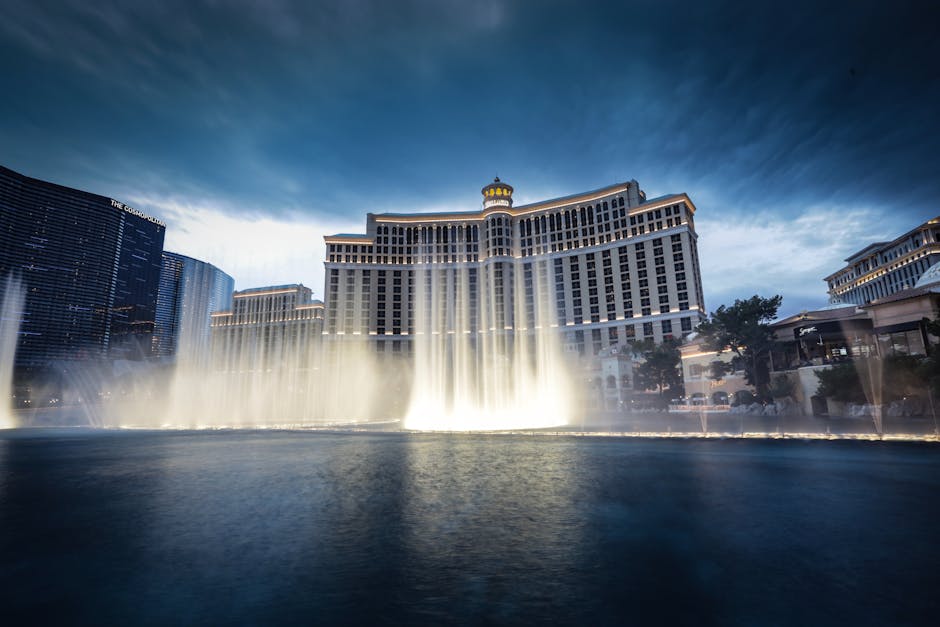
Showrooms and Production Shows as Major Draws
Arguably, the heart of 1950s Vegas tourism rested in its showrooms. Resorts invested heavily in big production shows that competed with Broadway. Top performers like Frank Sinatra, Dean Martin, Sammy Davis Jr., and other Rat Pack members were fixtures in the Sands’ Copa Room.
Those shows were elaborate affairs featuring orchestras, dance troupes, and tight choreography. They weren’t just diversions; they were essential reasons visitors planned their trips. The strip resort expansion paid dividends by enhancing these venues and continuously reinventing entertainment offerings.
Fifties Web, a dedicated archival source on mid-century Americana, catalogs the sprawling performance schedules and marquee announcements that fueled the Strip’s celebrity culture. Importantly, these sources remind us that show schedules were fluid, adapting to demand and the star power available, which is why fixed programming information was rarely printed.
Conclusion
Las Vegas’ postwar boom was the outcome of economic shifts, strategic resort development, and a flair for spectacle rooted in audacious design and entertainment innovation. https://highstylife.com/key-details-to-include-in-a-story-set-in-1955-las-vegas/ The 1950s Vegas tourism surge gave birth to the modern concept of the Strip as a dynamic locus of diverse leisure pursuits.
Rather than simple gambling towns or small-time roadside stops, postwar resorts became lavish retreats. Neon, architecture, and dazzling shows combined with hotels and casinos in a way that created an irresistible magnet for visitors from all over the country.
Any sincere exploration into Vegas history must consider these elements organically—anchored in place, year, and experience—without resorting to vague superlatives or romanticized fillers. The legacy of that exciting decade still lights up Las Vegas today, reminding us how much of its identity is rooted in the creative spirit of the postwar Strip.