What Did Neon Add to the Strip Experience at Night?
Few things define the mid-century Las Vegas Strip quite like its nighttime skyline neon. Neon signs weren’t just flashy decorations; they transformed a dusty desert highway into a vivid roadside glow that announced the arrival of a postwar resort boom. Around the 1950s, the Strip became more than a cluster of casinos. It was a spectacle—a spectacle sustained by neon’s electric lure and architectural innovation that shaped the resort experience in ways still felt today.
The Postwar Resort Boom on the Strip: Setting the Stage
After World War II, Las Vegas seized an opportunity to grow beyond its modest roots as a desert pit stop. Pioneering resorts like the Desert Inn (opened 1950) and the Sands (1952) capitalized on pent-up tourist demand and a new fascination with live entertainment. These resorts weren’t just places to gamble. They were all-in-one entertainment ecosystems designed to keep visitors captive all evening—and neon played an essential role.
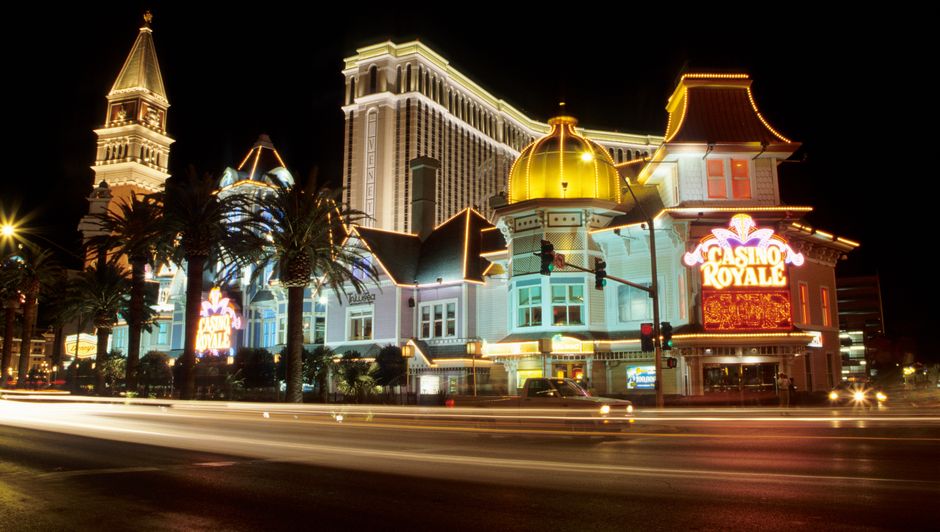
According to Smithsonian resources on mid-century American culture, neon technology was accessible and vibrant enough to turn motel signs along Route 66 into landmarks. Las Vegas used this technology differently. Its resorts became massive neon canvases, each competing to be the brightest beacon down the highway.

The Strip Beyond Gambling: Entertainment as the Main Attraction
Ask yourself this: these resorts were carefully calibrated to be more than casinos. Showrooms featuring production shows starring entertainers like Frank Sinatra and Elvis Presley were the real draws. Visitors didn’t just come to play cards; they came to see glamorous shows beneath dazzling neon marquees and architecturally distinct casinos, all bundled in one place.
Here, the showroom was the beating heart of the resort, and neon was a visual prelude—an electric promise of excitement inside.
Nighttime Skyline Neon: More than Just Bright Lights
The nighttime skyline neon served several critical functions on the burgeoning Strip:
- Wayfinding and Identity: Each resort’s unique neon sign communicated its personality, making it easier for visitors to find and remember. The bold, colorful curves of the Sahara’s sign in 1952 or the intricate dancing figures on the Moulin Rouge made each stop unmistakable.
- Creating a Spectacle: Bright lights signaled a nonstop party in the desert. The Strip spectacle was as much visual as it was auditory—neon illuminated fountains, marquees, and façades to create immersive environments that beckoned travelers from miles away.
- Claiming Territory: Resorts used neon to stake claims on the desert horizon, making the landscape a battleground of light and allure. The neon glow was their signature, staking ground amid the vast emptiness stretching beyond the city.
The old Vegas tours pricing company MrQ Casino highlights in their historical recounts how modern casinos continue to work this legacy, combining bright lighting with digital signage but still rooted in the concept pioneered decades earlier.
Attention-Grabbing Architecture: Neon as a Design Element
Neon did not merely accentuate buildings; it influenced architectural design choices. The postwar resorts experimented with Googie architecture, a style characterized by futuristic designs and exaggerated forms. These buildings were ambitious attempts to evoke motion and progress in the desert night.
For example, the Aladdin’s neon sign integrated sweeping curves that echoed the shape of its building’s roofline. The Stardust’s starburst neon motif mimicked the resort’s celestial theme and drew in visitors while shaping the skyline’s rhythm.
Fifties Web, a resource dedicated to the era’s design and culture, points out that neon was often incorporated into mazes of metal and glass, layered into entrance canopies and dance floors, and wrapped around columns, turning static structures into living light sculptures.
Resorts as All-in-One Entertainment Ecosystems
The idea of a single-stop entertainment complex was innovative. Unlike traditional hotels or casinos that focused solely on gambling, Strip resorts combined dining, gambling, live shows, and luxury accommodations. Neon signage illustrated this broad offering succinctly:
- Playing cards and dice symbols glowed next to cocktail glasses and showgirls, signaling diverse experiences.
- Massive neon-lit billboards advertised upcoming production shows alongside restaurant specials.
- Arcade games, bowling alleys, and even wedding chapels appeared under neon arrays, emphasizing the resort’s comprehensive appeal.
Unfortunately, many modern write-ups make the mistake of discussing the Strip experience without including ticket prices, room rates, or exact show schedules. This omission leaves a gap in understanding how accessible or exclusive these entertainment ecosystems were to different audiences.
Showrooms and Production Shows as Major Draws
One cannot overstate how crucial live entertainment was to the Strip experience. Neon was the doorbell and welcome mat to these spectacles. Whether it was the Copa Room at the Sands or the Vera Vague Theatre at the Desert Inn, the buzzing neon lit up signs announcing top-billed performers, show titles, and special acts.
These shows were often headliners in the resorts’ promotional materials and played a significant role in attracting visitors who might not gamble but wanted to enjoy a glamorous night out.
Bringing It All Together: Neon and The Strip Spectacle
The nighttime skyline neon created a roadside glow that transformed the Las Vegas Strip from a simple desert road into a destination. It was a defiant beacon of fun, fantasy, and spectacle in a place that otherwise might have been ignored.
Thanks to pioneering resorts established in the 1950s, brightly lit with neon, the Strip became synonymous with nightlife entertainment. Neon signs, attention-grabbing architecture, and immersive entertainment ecosystems all contributed to a magnetic lure that continues in modern forms today.
Summary Table: Neon’s Impact on the Strip Experience
Aspect Neon’s Contribution Example Wayfinding & Identity Distinct neon signs helped visitors find and recognize resorts Sahara’s sweeping neon curves (1952) Creating Spectacle Illuminated fountains, marquees, façades created immersive nights Stardust’s starburst neon lights Architectural Integration Neon shaped design choices, turning buildings into light sculptures Aladdin’s curved neon canopy Entertainment Ecosystem Signs symbolized all resort offerings in unified visual language Multi-themed neon at resorts like Desert Inn Showroom Promotions Neon signaled major show acts, increasing foot traffic Sands Copa Room marquee for SinatraFinal Thoughts
Neon shaped the Strip experience in the postwar era by making the desert night visually arresting and unmistakably inviting. This roadside glow was more than aesthetic; it was an early form of branding, entertainment advertising, and spatial storytelling. While many accounts skip pricing or schedules, understanding neon’s role helps clarify why the Strip became a nonstop, all-in-one destination rather than just a gambling hotspot.
From the historical perspectives curated by Fifties Web to contemporary reflections by MrQ Casino, the legacy of neon remains a foundational element of the Las Vegas nightlife mythos.