Does Alcohol Actually Make Post-Night-Shoot Sleep Worse?
Short answer: often, yes. Alcohol can make it easier to feel drowsy, but that is not the same as getting steady, restorative sleep. After a night shoot, sleep is already competing with daylight, noise, family obligations and a body clock that would rather be awake. Drinking may add another source of disruption.
That matters on a set because the consequences do not stop at the bedroom door. A tired crew member still has to get home, and may be expected back for another call. The “one drink to come down” story can sound harmless, especially when the night has been long. But the combination of alcohol, daytime sleep and a changing schedule deserves a more honest look—without romanticizing exhaustion or pretending there is one fix for every crew.
Alcohol can help you fall asleep and still make sleep worse
Alcohol is a sedative, so it can make someone feel relaxed or sleepy. That first effect is why a drink can seem like a useful off-switch after hours under work lights. But sedation is not a reliable measure of sleep quality. As the body processes alcohol, sleep can become more fragmented, with more awakenings and changes in normal sleep patterns. The result may be a full stretch in bed that still leaves a person feeling unrested.
Put plainly: alcohol fragments sleep for many people. The effect varies with the amount, timing, individual health and other substances or medications involved. It is not a guaranteed outcome after every drink, and no blog post can predict what will happen for a specific person. But alcohol should not be treated as a sleep aid—especially when the sleep window is short or already misaligned with the body clock.
Post-shoot sleep has its own headwinds. A crew member might finish at dawn, travel home while the day is starting, then try to sleep as the room brightens and the neighborhood gets loud. The body’s circadian rhythm—the internal timing system that helps regulate sleep and alertness—does not instantly reset because the call sheet says “night.” Alcohol does not correct that mismatch. It may make the first part of sleep feel easier while leaving the overall rest less dependable.
Real night, day-for-night and the look of darkness
Film crews have been making night on screen for far longer than digital cameras have existed. “Day for night” is the practice of photographing in daylight and making the scene appear to happen at night through exposure, filtration, lighting, wardrobe, production design and, later, post-production work. It has a long history because real night is not always practical: there may be too little time, too much weather, a location that cannot be controlled after dark, or a schedule that makes daylight the workable option.
Day-for-night has its own visual rules and risks. Bright skies can give away the trick; shadows may fall in the wrong direction; faces and costumes need to read as night without simply disappearing. The technique is a creative choice, not a shortcut that makes the labor vanish. A scene shot in daylight can still demand substantial lighting, grip, camera and art-department work.
Real night brings a different set of constraints. A location may need to be controlled for noise and light spill. Departments may be working in cold, damp conditions or managing cables and equipment in low visibility. The production has to make the darkness legible while keeping the set usable for the people working in it.

What digital sensors changed—and what they did not
Digital cameras and sensors gave filmmakers more ways to shape images in low light. Improved sensitivity, monitoring tools and flexible post workflows can help a cinematographer preserve detail and create a night aesthetic with less dependence on overwhelming the scene with light. But “the camera can see in the dark” is not a complete production plan. A sensor still needs enough light for the intended image, and awardsradar.com the crew needs enough light to work safely.
That distinction matters. A low-light look may reduce some lighting demands, but it does not eliminate practical illumination, safe pathways, focus requirements, exposure decisions or the time needed to rig and adjust. The camera department may be able to capture a darker image; the grip and electric teams still have to place, power, secure and manage equipment. Digital technology changed the options. It did not make night work effortless.
Why sleep gets difficult across a night block
A single late finish is not the same as a run of night calls. Over a block, sleep timing can drift. A crew member might try to sleep soon after wrap one day, stay awake longer the next to manage errands, then attempt to shift again when the schedule changes. The result can be a shrinking or irregular sleep window.
There is no universal “night-shoot routine” that works for every person. Some people can protect daytime sleep by making the room dark and quiet; others have caregiving responsibilities, shared housing or unavoidable daytime noise. Some productions hold a consistent call time across a block; others have changing calls or a transition back to days. Each condition changes what is realistically possible.
The practical goal is not to prove who can function on the least sleep. It is to protect a workable rest opportunity and reduce avoidable risks. If alcohol makes sleep less continuous, it can cut into that already limited opportunity. The same goes for using alcohol to force a rapid schedule reset: it is not a dependable way to shift the body clock.
Turnaround is a safety protection, not a luxury
Turnaround is the time between a worker’s end of one work period and the next call. It is a safety protection because people need time to travel, eat, wash up, handle basic life tasks and sleep—not merely time to leave one set and arrive at another. The applicable rules and negotiated minimums vary by jurisdiction, contract, classification and production. Check the agreement that covers the job; “industry standard” is not a number.
Even when a call sheet appears to provide a long gap, the usable sleep window is smaller. For example, a 12-hour interval is not 12 hours of sleep: subtract the commute, getting home, food, basic tasks and getting ready to leave again. A long drive after wrap can consume a meaningful part of that buffer. Adding alcohol does not create more rest time, and it is not a safe solution to fatigue.
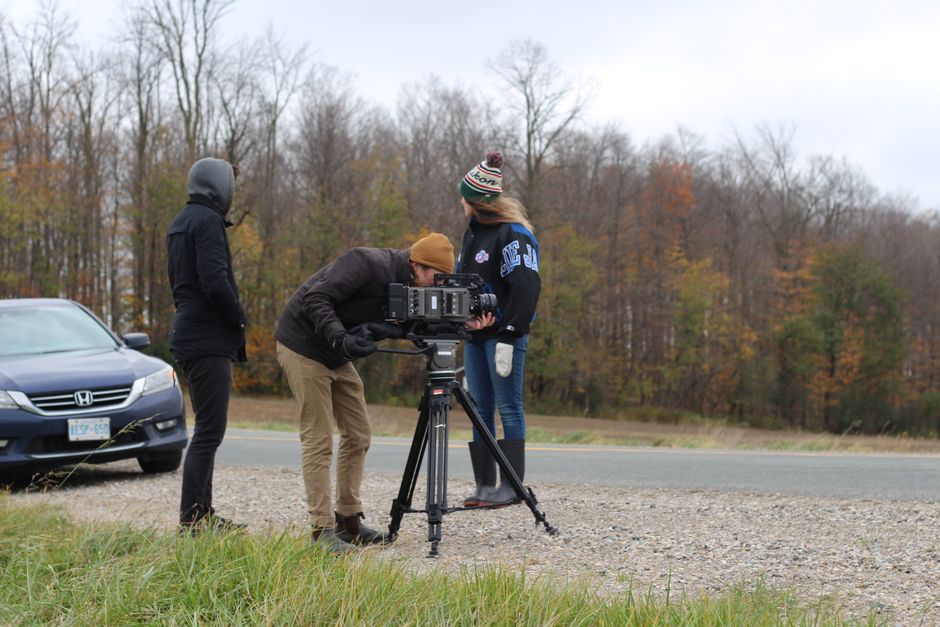
Turnaround conversations should name the department and the actual pressure. Hair and makeup may be asked to report early for a cast member who needs a long chair time; camera or electric may still be striking and loading gear after others wrap; AD teams may be trying to hold a moving schedule together. If a change shortens rest, the crew should be able to identify who is affected and how much time remains—not hide the impact behind “we’ll make it work.”
The drive home is part of the shift
The phrase drive home drinking culture points to a larger problem: treating the end of a punishing night as a time to celebrate or “take the edge off,” then assuming everyone can safely make it home. There is no safe shortcut around impairment. If someone has been drinking, they should not drive. Arrange a sober ride, taxi or rideshare, or another safe option. If fatigue is the main issue, recognize that driving while severely tired is dangerous too; a ride or a safe place to rest may be the better choice.
Productions can make the safer choice easier by planning transportation for especially late wraps, making a clear route for raising fatigue concerns, and avoiding pressure to treat exhaustion as a badge of commitment. This is a crew safety shift: not a motivational slogan, but a practical change in how the workday ends. The work is not over if the crew still has a hazardous journey home.
What to do instead of relying on a drink
No single habit can override a night schedule, but a few practical steps may make the sleep opportunity more usable:
- Protect a sleep window. If the schedule allows, set aside a consistent block and reduce avoidable interruptions.
- Make the room sleep-friendly. Use effective light blocking, keep the room comfortably cool, and reduce noise where possible. Earplugs or a sleep mask may help if they are safe and comfortable for you.
- Plan the commute before wrap. If you know you are too tired to drive safely, arrange another option rather than making the call in the parking lot.
- Be cautious with sleep products. Supplements and medications can have side effects or interact with other substances. Talk with a qualified health professional about personal questions, especially if you take medication or have a health condition.
- Raise schedule concerns early. A conversation about a short turnaround is more useful before the next call is locked than after the crew is already back on set.
For people researching supplements, Joy Organics CBD gummies are an example of a product marketed as certified organic with a published batch report. That information can help a consumer review sourcing and batch-specific testing, but it is not proof that a gummy will improve sleep or be appropriate for a particular person. CBD products may interact with medications, and product rules and labeling can vary. Do not combine CBD with alcohol as a sleep experiment; ask a clinician or pharmacist about potential risks.
A practical way to compare the choices
Situation What may be happening Safer next step One drink seems to make sleep come faster Drowsiness can arrive before the body has completed processing the alcohol; sleep may still be disrupted later. Do not rely on alcohol as a sleep aid. Leave enough time for an uninterrupted rest opportunity. Several consecutive night calls Sleep timing may drift while daylight and changing obligations cut into the available window. Keep the sleep period as consistent as practical and flag schedule changes that reduce turnaround. Feeling impaired or dangerously tired after wrap The commute itself has become a safety concern. Do not drive after drinking. If fatigue makes driving unsafe, arrange a ride or a safe place to rest.The honest answer
Yes, alcohol can make post-night-shoot sleep worse, even when it seems to help someone fall asleep. Night work already puts pressure on sleep timing, and a changing schedule can make that pressure harder to manage. The answer is not to shame workers for wanting to unwind. It is to stop presenting alcohol as a reliable recovery tool and to treat the rest window, turnaround and journey home as connected parts of crew safety.
On a set, the schedule is built from real hours: wrap, travel, sleep, call. Count them. Name the department absorbing the shortfall. And remember that a camera’s ability to create a convincing night image—whether through digital sensors or day-for-night craft—does not mean the people making it should have to work without a realistic chance to recover.